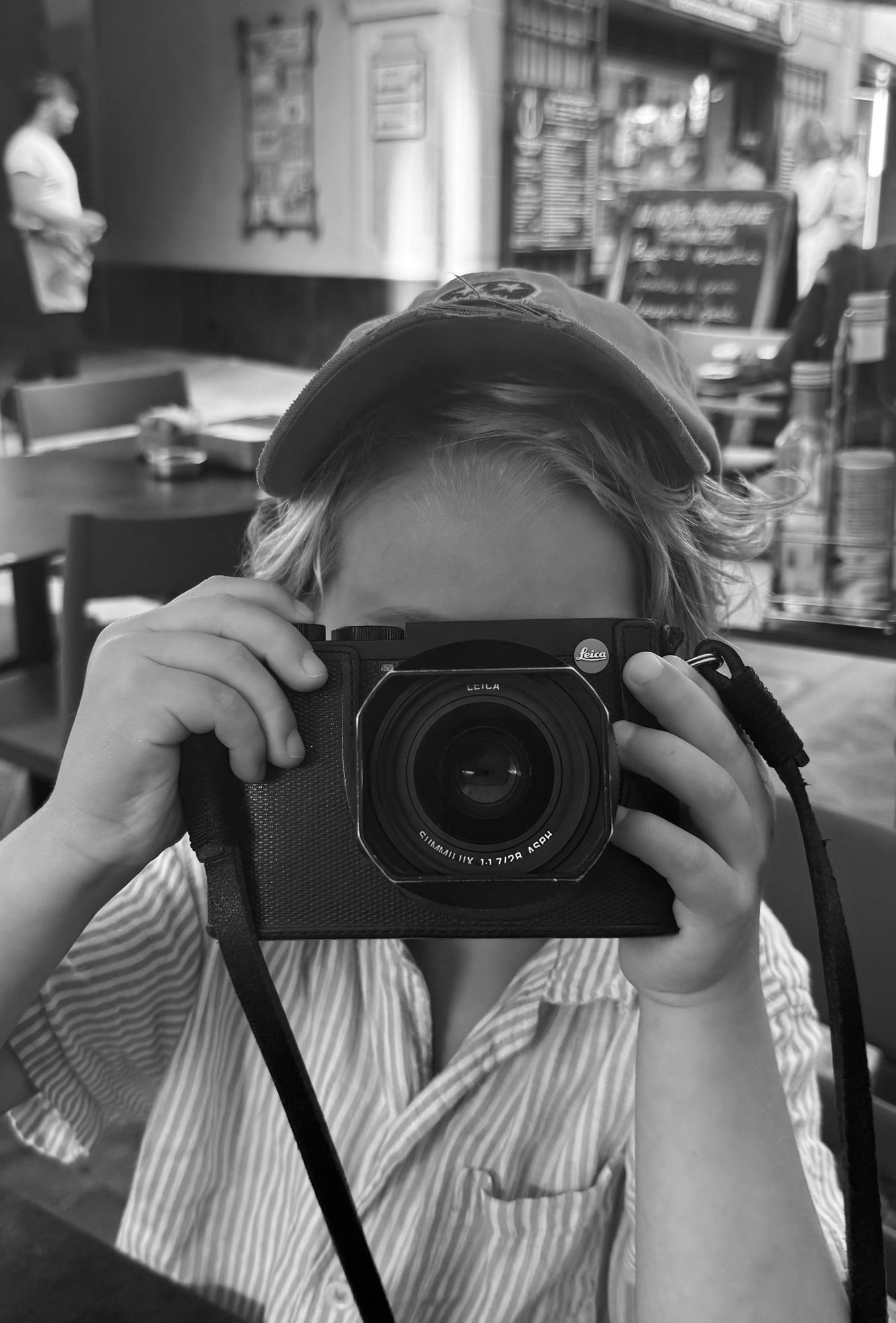
The Summilux lens catches light the way a good bartender catches your eye — without effort, without fuss. Twenty-eight millimetres. Wide enough to hold a street corner. Tight enough, once you crop into that 47-megapixel file, to pull a face from across the room.
This Q2 lives in New York. It has been dragged through jungles, baked in deserts, and shoved into overstuffed bags on four continents. The leatherette is worn smooth where a thumb sits. The red dot has dulled. The camera does not care.
“You get used to the durability pretty quickly,” its owner says. “Then you stop thinking about it altogether.”
What it replaced
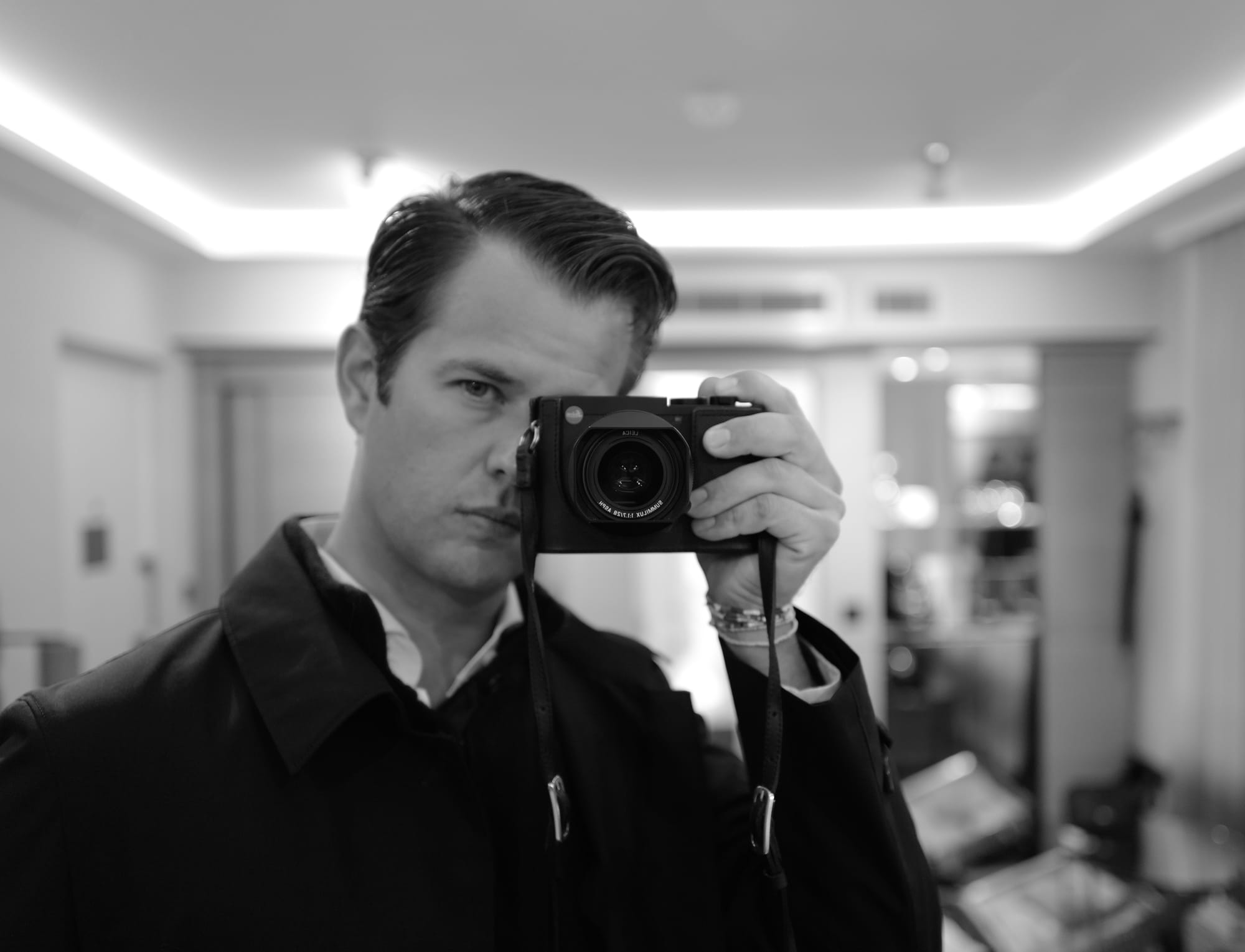
An iPhone, mostly. Not in any dramatic way — the phone still shoots the quick stuff, the notes-to-self, the kid holding a menu. But for the moments that matter, the Q2 earns the extra weight. The difference between the two isn’t resolution. It’s that the Leica makes you stop and compose. The iPhone lets you get away with not trying.
The 28mm focal length sounds wide until you live with it. It holds a cafe table and the person across from it. It holds a hotel lobby. A jungle canopy. A souk at dusk. And when the scene is too big or the subject too far, the crop modes — 35, 50, 75 — pull from that massive sensor without embarrassment.
Jungles, deserts, cities
This camera has seen weather. Humidity that fogs the viewfinder. Dust that finds its way into the lens cap thread. Heat that makes the body warm to the touch before you’ve taken a single frame.
None of it has broken it. The magnesium body shrugs off contact. The Summilux 28mm f/1.7 stays sharp. The autofocus still locks in low light that would send a phone hunting.
It rides in a bag with no case. No protective wrap. Camera, strap, and whatever else fits around it. That’s the trust this thing earns — the willingness to treat a Leica like a tool instead of a trophy.
The marks so far
The bottom plate carries the deepest scratches — from being set on stone walls, restaurant tables, taxi seats. The top plate has a nick near the shutter button that came from somewhere forgotten. The strap lugs show brass where the black paint has worn through.
Every mark maps to a place. That’s the point.
What grates
The battery life is honest but short. Two batteries minimum for a full day. Three if you’re shooting video or chimping the EVF.
The menu system is Leica’s usual exercise in stubbornness — functional but never intuitive. You learn it the way you learn a stick shift: muscle memory replaces logic.
And the lens cap. The metal lens cap is beautiful and useless. It falls off in bags. It falls off in pockets. Most Q2 owners lose the original within a year and replace it with a friction-fit aftermarket cap that stays put. Leica knows this. Leica does not fix this.
What stays
The image quality at f/1.7 in fading light. The heft — 718 grams that sit in the hand like a river stone. The mechanical feel of the aperture ring, each click precise and deliberate. The EVF that’s good enough to make you forget you’re not looking through glass.
And the simplicity. One lens. One body. No decisions about what to bring. The Q2 is the camera you grab when you’re walking out the door and don’t want to think about gear.
It is, in the truest sense, an everyday carry. Not because it’s small — it isn’t, really — but because it earns its place in the bag every single time.
At a glance
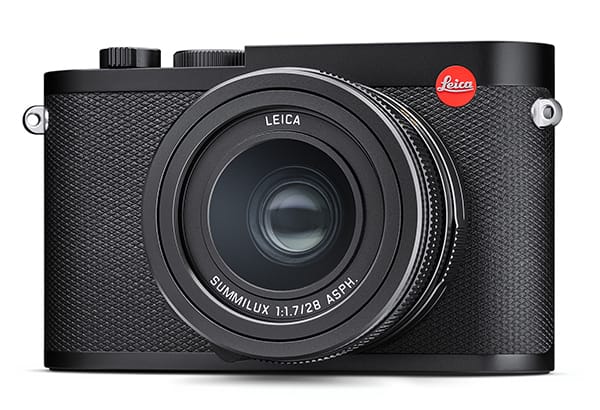
| Item | Details |
|---|---|
| Model | Leica Q2 |
| Years produced | 2019–2023 |
| Sensor | Full-frame CMOS |
| Megapixels | 47.3 MP |
| Lens mount | Fixed — Summilux 28mm f/1.7 ASPH. |
| Shutter / ISO range | 30s–1/40,000s / ISO 50–50,000 |
| Notable quirk | The lens cap. Always the lens cap. |